
意外
推动人工智能技术更加有力驱动加快建设交通强国_我的网站

一 | 讯 8月20日,交通运输部举行专题新闻发布会,介绍“人工智能+交通运输”典型应用场景创新行动有关情况。
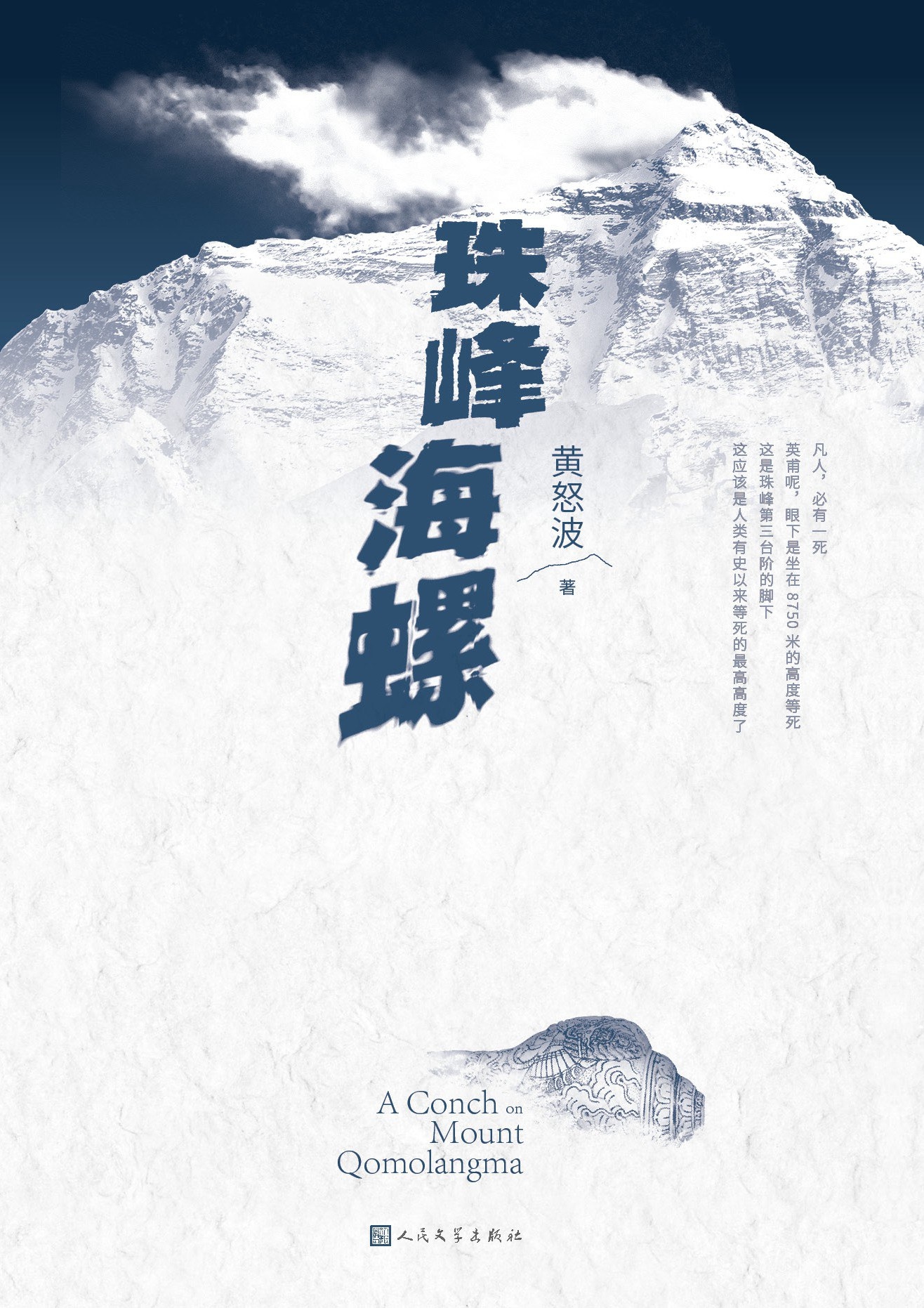
Chinese real estate entrepreneur and writer Huang Nubo's novel A Conch on Mount Qomolangma has won the top prize at the 19th Lee Byung-ju Hadong International Literary Award in South Korea, organizers announced Friday. The organizers said the novel demonstrates the author's extensive knowledge, literary depth and philosophical insight, while exploring human limitations and the direction of life in ways that resonate with readers, according to South Korean media Yonhap News Agency.
The novel follows two parallel storylines - an expedition to Mount Everest and a business crisis, while Huang himself has reached the summit of Everest three times.
Huang told the Global Times that more than half of the world's mountains above 8,000 meters are located in China. China previously had no developed mountaineering industry, but mountaineers from Southwest China's Xizang Autonomous Region have since become a strong presence on the international climbing scene, with one Xizang guide having climbed Everest as many as 12 times. Some guides have also gone on to become national ski coaches.
These changes are also reflected in the novel, in which Huang uses the world of mountaineering not only as a setting for the story, but also as a window into the people living and working in the mountains and the changes taking place around them.
"Xizang guides are also very sincere and dependable. They never abandon you or leave you behind," Huang said. For Huang, climbing Everest goes beyond reaching the summit, prompting reflection on the people he encountered, the changes he witnessed and the relationship between humanity and nature.
The "conch" in the novel's title takes these reflections from the summit of Everest into a much longer time scale. Huang explained that Everest represents "space," while the conch represents "time" - Everest was once beneath the sea, while the conch has witnessed the long evolution of life. Together, they point to human existence across time and space.

For Zhang Jiwu, professor of Chinese language and literature at Peking University, Huang himself is an unusual literary figure.
"This award winner previously worked in real estate, yet he has produced a literary work with such strong appeal and reach," Zhang told the Global Times. "His cross-disciplinary knowledge and life experience mean that the novel is not built solely on literary imagination, but is grounded in real-life experience."
That identity as an "atypical writer" is one of the aspects that makes A Conch on Mount Qomolangma noteworthy.
People believe the novel incorporates "new realities" of modern society, including mountaineering and business competition, into its literary narrative, reflecting changes in China's economic development and social life. These experiences have provided unique material and perspectives for his literary expression, according to the China Writers Association.
This reflection on life, time and the human condition may also help explain why A Conch on Mount Qomolangma has resonated beyond China. In Zhang's view, the significance of an overseas literary award lies not only in bringing greater international attention to a Chinese work, but also in allowing readers from different cultural backgrounds to encounter, through literature, Chinese writers' reflections on questions shared by humanity.
。

二 | 会上,交通运输部科技司司长徐文强表示,近年来,交通运输部加快推进人工智能与交通运输深度融合,聚焦基础设施、运载工具与装备、运输服务、行业治理4大方向,梳理形成覆盖铁、公、水、航、邮全领域860项率先突破场景。去年9月,交通运输部联合6部门,出台了《关于“人工智能+交通运输”的实施意见》,全面绘制了“人工智能+交通运输”的方向标和路线图。今年6月,交通运输部又会同国家铁路局、中国民航局、国家邮政局和国家铁路集团,印发了《“人工智能+交通运输”典型应用场景创新行动方案》,全面启动了典型应用场景创新行动,打通政策落地“最后一公里”,推动人工智能技术更加有力驱动加快建设交通强国。

三 | 本次创新行动将场景任务分为应用推广、创新示范、攻关突破三类,牵头主体分为场景方牵头和技术企业牵头两种模式。划分“三类场景”、采用“两种牵头模式”,开展典型应用场景创新行动,就是要密切跟踪、及时总结交通运输行业技术创新的全链条规律,区分不同技术成熟度、不同业务属性的场景,让场景所有方、科技企业、科研院所都能找到定位、发挥所长,避免“一套标准管到底”,最大化激发各方创新活力。

四 | 具体来看,三类场景分别对应了技术落地的三个阶段,牵头主体的设置也充分匹配各阶段的核心需求。 应用推广类,主要面向技术已经成熟、商业模式清晰、行业有普遍需求的场景,比如高速公路智能监测、12328智能客服、场站智能安检,就属于这一类。这类场景的核心目标是“规模应用”,让好技术尽快从“点上示范”走向“面上普及”。因此,明确由“场景所有方”牵头,因为他们掌握路网、港口、场站这些实体资源,有成熟的运营运维体系,能最快推动规模化落地,形成可复制、可推广的行业通用解决方案。 创新示范类,重点是推进成熟技术的系统集成和跨领域融合,比如多式联运智能调度、综合枢纽一站式智慧服务。这类项目不缺单项技术,难点在于如何打通不同部门、不同运输方式的业务流程和数据壁垒。所以也明确由“场景所有方”牵头,统筹业务资源,联合人工智能企业、科研院所,做集成创新,核心是“提质融合”,打造一批高水平的融合应用标杆。 攻关突破类,瞄准的是行业核心技术短板,比如交通专用垂直大模型、路侧轻量化智能终端、复杂场景自主决策算法。这些是行业的“卡脖子”环节,需要很强的算法研发和算力支撑。因此这一类由“人工智能科技企业”牵头,行业用户作为参与方,提供真实测试场景和业务验证,核心是“强基础补短板”,用真实场景打磨形成核心技术能力。

五 | 版权申明:凡注有“”或电头为“”的稿件,均为独家版权所有,未经许可不得转载或镜像;授权转载必须注明来源为“”,并保留“”的电头。 。

六 |
Current article:http://2eb.mexuanmeixuyaopinzheng.shop/bas/fmmqs8.html
Published on:19:26:04


1
新一代通信网建设提速 空天地海全域发力2
水利部8月24日继续发布洪水黄色预警3
人工智能蓬勃发展,会提供哪些就业机会,人工智能蓬勃发展,会提供哪些就业机会4
太行山“背篓哥”:36年无偿跑腿 只为那一份托付5
赛博科普|极速造星+火箭回收,中国民营航天这一发有多夯?6
嫦娥七号任务不满足发射条件 不能在今年预定窗口实施7
漳州市政府召开第十五次党组(扩大)会议 第十五次常务会议8
新手做拼多多如何运营9
三大存储巨头放弃自研CXL控制器10
世界杯之后,卡塔尔怎么样了?11
Google Maps User Notices What Seems to Be Downed Plane in Australian Rainforest12
三大洲足联发布联合声明,矛头直指国际足联主席13
熊猫31.5英寸2K 165Hz显示器上架!999元14
需求扩张叠加全球供应紧张共同推升铜价,LME铜逼近14500美元历史高位15
Lao hydropower transmitted to Greater Bay Area for first time
- 随机推荐
1
美国一男子枪杀8名亲属后自杀:共进晚餐时作案,被害者包括4名儿童2
阿根廷1-1追平英格兰!恩佐世界波挂死角3
自豪!我是雄安人 ③ 徐正:下好“绣花”功夫 服务疏解居民4
神鬼寓言4:在看完完整的任务演示后,我已迫不及待想玩到它 | 2026年科隆游戏展5
「反省してまーす」会見から16年〝雰囲気一変〟スノボ國母和宏の最新姿に「以前よりも…」「え、子どもいるの⁉」「久々に見られて嬉しい」の声6
七月买的小哈换电套餐还电池后仍消耗天数求说法7
大基金减持,科技抱团面临拐点?8
차세대 반도체 패키징 산업전 개막9
Curfew Imposed in India's Karnataka After Three Stabbed During Communal Clash - Video10
自豪!我是雄安人 ② 杜泽文:铁军筑新城 他乡变故乡11
【成长·传承】春龙抬头 “童”趣无限——青岛高新区实验幼儿园开展“二月二,龙抬头”活动12
瑞士天空:曼城联系过杜埃但被拒绝,纳赛尔计划和他涨薪续约13
售24.99万起 别克GL8陆尚大定突破23000台 还有6月限时权益14
2025淘宝京东618最新红包领取口令入口是什么?京东淘宝618最新红包口令是?15
사당동 305-35, 최고 34층·970세대 탈바꿈…사당로16길, 4차로로 확장 [부동산360]